Midnight scrolls bring surprises sometimes. A few images from a mate’s big day show up – polite poses, tidy grins, nothing lingers. But then a frame stops your thumb. She twirls, caught in motion, her laugh bursting free while streaks of gold melt behind her. Sound seems to leak from the phone. You hold still. This isn’t just record-keeping. It moves. Breathes. Feels real.
Picture this: Mumbai weddings, buzzing all around. Suddenly, that phrase pops up – again. Fancy-sounding, sure. Yet hold on… What’s behind the name? Here’s the real question – would your day truly miss out without it?
Book your consultation here before dates fill up.
This guide puts cinematic wedding photography into everyday words. Get clear on how it functions, what sets it apart, where post-production shifts the outcome, then figure out whether it fits your big day.
What does cinematic wedding photography really mean?
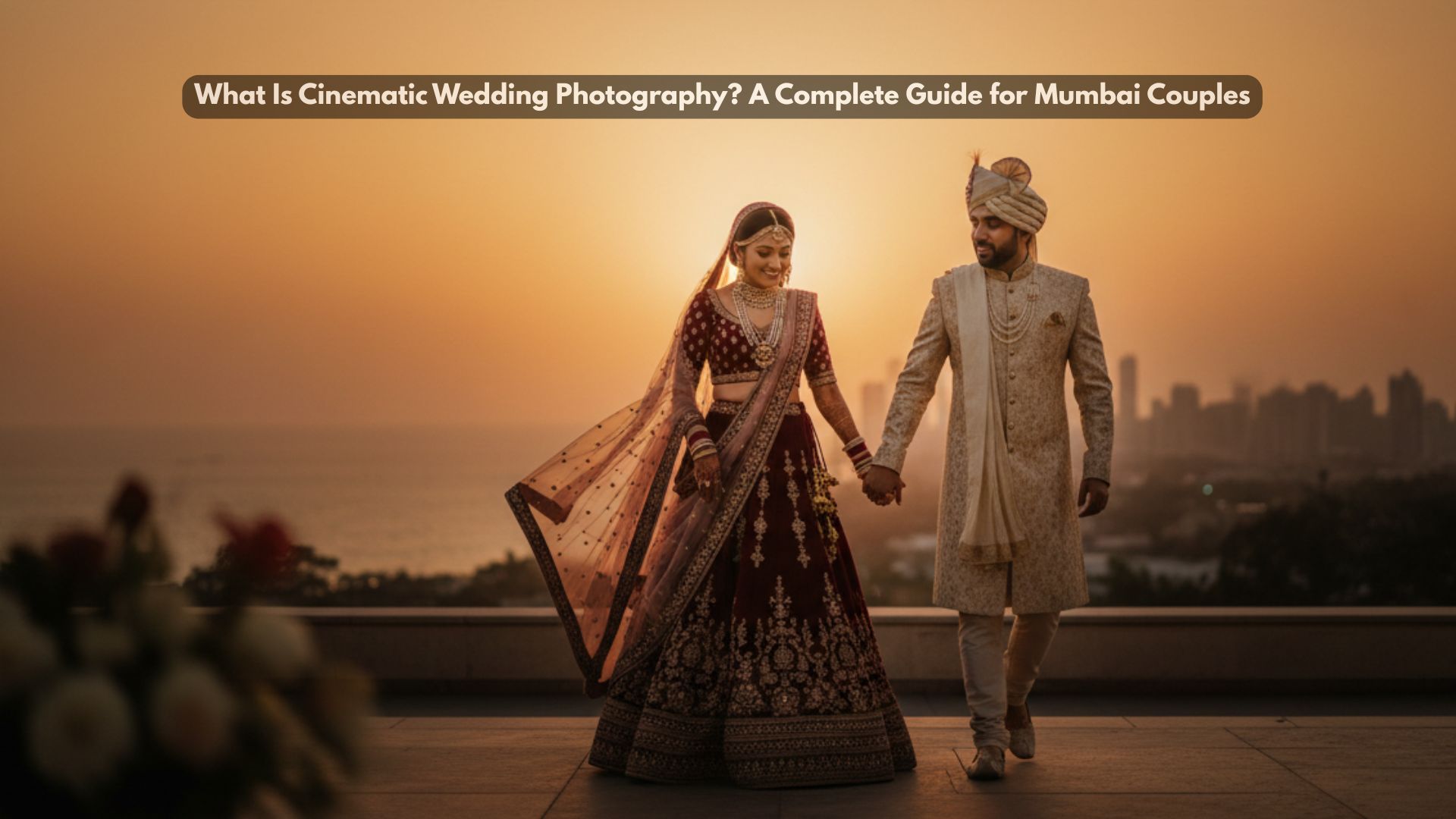
Here’s the thing. Wedding pictures that feel like films? They’re less snapshots, more scenes – flowing moments strung together through quiet glances, slow walks, light catching fabric just right. Think mood over checklist poses.
Just not an actual movie location. Still carries that kind of atmosphere though.
Picture motion, feeling, a story unfolding. Rather than posing stiffly, people move freely while the camera watches closely. At times, direction comes softly – just enough to shape the moment without breaking its flow. The result feels real, yet framed with care.
Out of nowhere, laughter took over when someone knocked over the turmeric. Rhea and Arjun stood there, newlyweds in Bandra, while their cousin slid across the floor. Instead of pausing, the filmmaker just kept rolling. Most photographers would have stopped things right then. But him? He stayed quiet, eyes locked on his lens. Later, that stumble became the scene they played again and again. Plans fell apart – yet somehow it stuck.
That’s the difference.
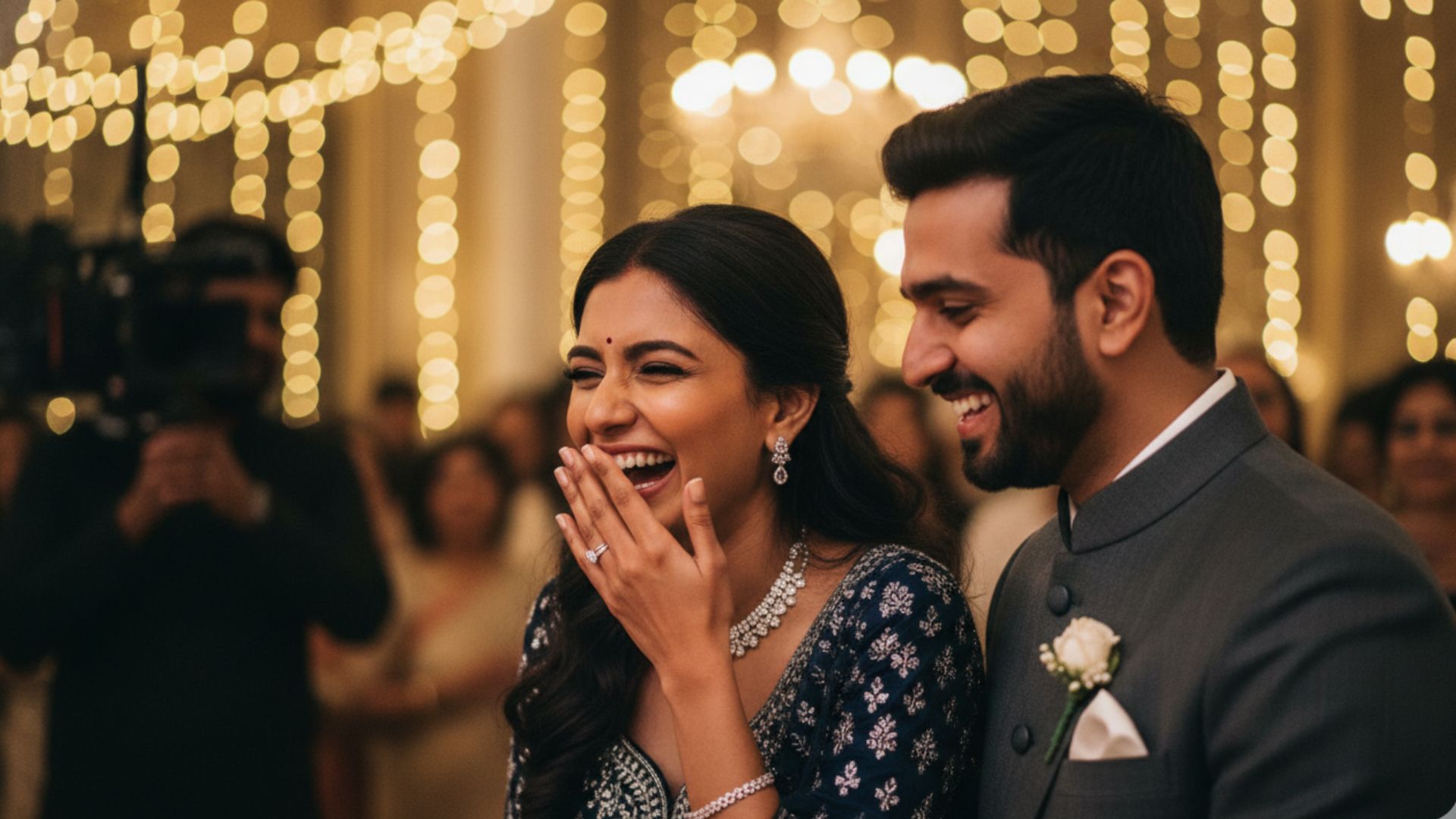
True moments matter more than flawless positions. What counts is how someone actually responds, not how they look while doing it.
Fewer real pictures? Not exactly. Those are still there. Just without three hundred copies of the same forced grin piling up.
Why cinematic wedding photography feels different
Here’s the thing nobody really tells you. The difference isn’t just in how photos are taken. It’s in how they make you feel later.
Traditional photography focuses on clarity and documentation. Who came, what you wore, how things looked.
Cinematic photography leans into mood. Light, motion, timing. Sometimes even imperfection.
A student I worked with, Neha, once said her sister’s wedding album felt like “evidence.” Her own cinematic album felt like “memory.” That stuck with me.
Does that make sense so far?
You’re not just looking at what happened. You’re almost reliving it.
Cinematic photography in wedding vs traditional style
Let’s not overcomplicate this. Here’s a straightforward comparison.
Traditional style:
- More posed shots
- Direct flash lighting
- Clear, sharp images
- Focus on covering every event
Cinematic style:
- Natural movement and candid moments
- Creative lighting, sometimes low light
- Slight blur or motion for effect
- Focus on storytelling
Here’s the mix-up most folks have. Cinematic doesn’t mean zero posing – just different. Truth is, it still uses structure, only softer. Not rigid, but guided. Some movement stays, just less obvious.
Midway through, laughter broke the moment. Sameer and Kritika, married in Powai, had sworn off stiff pictures. Their photographer didn’t argue – he suggested a slow stroll, chatting about first encounters. Though framed by direction, the image felt untouched. What looked unplanned came from quiet guidance.
True, it isn’t disorder. Instead, it’s narrative shaped with care.
How cinematic wedding photo editing changes everything
You can’t talk about cinematic wedding photography without talking about editing. This is where half the magic happens.
Raw photos don’t look cinematic. Editing gives them that tone, color, and mood.
Warm tones for emotional moments. Slight desaturation for dramatic scenes. Soft highlights for romantic shots.
I’ve seen couples underestimate this part. Rahul and Pooja from Andheri picked a photographer based only on price. The shoot was fine, but the editing felt flat. No depth. No mood. Just… normal.
They later told me they didn’t even realize editing had such a big role.
Here’s a simple tip. When you’re choosing a photographer, don’t just look at random photos. Ask for full albums or films. That’s where you see consistency.
And if the editing feels too heavy or artificial, trust your gut. You’ll be looking at these for years.
What is wedding film and photography in this style?
You’ll often hear this phrase: wedding film and photography. Sounds like a package deal, right?
It usually is.
Wedding film refers to cinematic videos. Not long boring recordings. Short, edited films that feel like trailers or mini-movies.
Slow-motion entries, background music, voiceovers sometimes.
Photography complements that. Same tone, same storytelling vibe.
I once saw a couple from Navi Mumbai who had both done really well. Their wedding film started with voice notes they had sent each other during lockdown. Not staged. Real messages. The visuals followed that story.
It wasn’t perfect. Some clips were shaky. But it felt real.
That’s the point.
Is cinematic wedding photography worth it in Mumbai?
It hinges on your priorities. What matters most to you shapes the response.
Chaos loves company, especially when Mumbai says yes. Venues hum nonstop, clocks race ahead, skies switch moods without warning. Yet right there, in the rush and rain delays, cameras find truth. Perfection gets skipped – moments matter more than poses.
A friend of mine, Karan, hired a budget team expecting cinematic results. The problem wasn’t the equipment. It was timing. They missed key moments because they weren’t used to working in that style.
So if you’re going this route, experience matters more than gear.
Ask yourself this:
Do you want a record of your wedding, or do you want a story you’ll rewatch?
No right answer here. Just be honest about it.
Common mistakes couples make
Let me be real with you for a minute. Most mistakes don’t come from bad photographers. They come from unclear expectations.
Here are a few I’ve seen again and again:
- Expecting Bollywood-level production on a tight budget
- Not discussing editing style beforehand
- Ignoring the importance of lighting at the venue
- Booking too late and settling for whoever is available
One couple in Thane booked their photographer just two weeks before the wedding. The team was decent, but not their first choice. They kept comparing their photos to someone else’s Instagram and felt disappointed.
That could’ve been avoided.
If you’re serious about cinematic photography in wedding planning, treat it like a priority, not an afterthought.
How to choose the right cinematic photographer
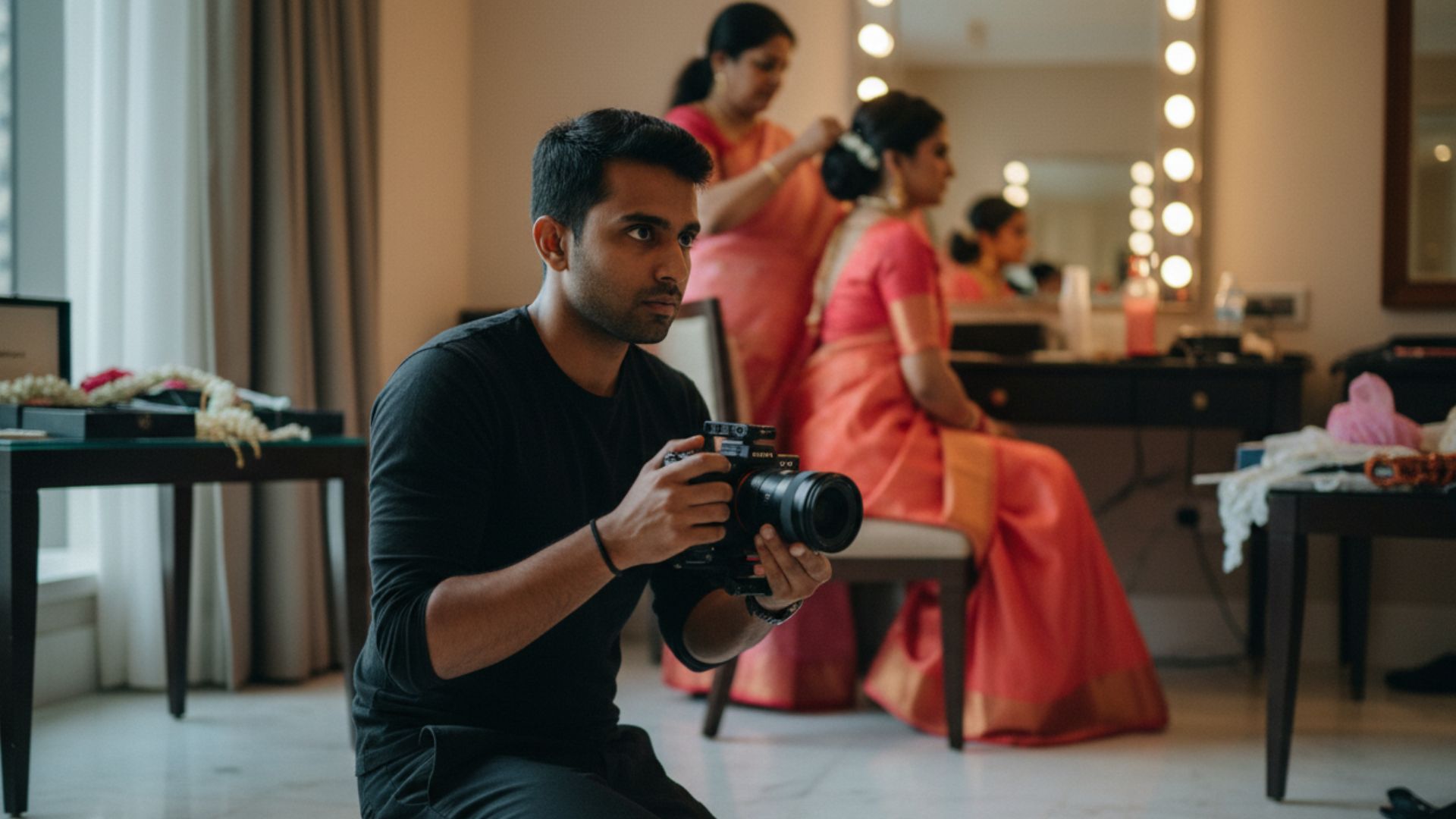
This part matters more than anything else.
Don’t just scroll Instagram and pick the most aesthetic page.
Talk to them.
Ask how they shoot. Ask what they do when things go wrong. Because something always goes wrong.
A student named Aisha once told me she picked her photographer because he “felt calm.” That might sound vague, but on the wedding day, when schedules slipped and tensions rose, that calm energy helped.
Technical skill is important. But so is how they handle people.
Also, check:
- Full wedding albums
- Consistency in editing
- Real client reviews
- How comfortable you feel talking to them
And yeah, trust your instincts a little.
If you don’t want to risk it, you can book a consultation here.
Final thoughts on cinematic wedding photography
What actually got discussed in the end?
Storytelling sits at the heart of how weddings are filmed. Motion and raw feeling fill each frame, along with quiet unplanned instances most overlook. The way footage gets refined changes how it feels in the end. Mood takes shape long after the day ends, through careful adjustments behind the screen.
When Mumbai pairs tie the knot, things move fast, full of surprise. This rush? It becomes gold on camera – so long as the crew keeps up.
Yet some won’t find it fits.
Should tidy, polished images appeal more to you, then classic styles could feel like a closer match. Nothing wrong there at all.
Years down the line, if memories are meant to stir like waves, then moving images might be what sticks. Cinematic captures moments so they breathe long after.
Start by picking three photographers. Try watching a complete wedding video from every single one. Skip the short clips this time. See what happens inside you when five minutes pass. Notice that quiet shift. Let their work speak without rushing ahead.
Here’s what it really feels like – way beyond anything a write-up might say.
When the moment feels right, skip the heavy thinking. Begin talking to a person who matches your energy.
FAQs
1. What is cinematic wedding photography in simple terms?
A film-like way to show your wedding unfolds through motion and feeling. Not only still poses but fleeting glances become part of the story. As scenes flow, they carry genuine reactions caught in time. With careful edits, shadows and tones shape how each moment breathes.
2. Is cinematic wedding photography more expensive?
Usually, yes. It takes more time, skill, and editing work. But the price can vary a lot depending on the team and what’s included in the package.
3. Do I still get traditional photos with cinematic style?
Most photographers offer a mix. You’ll still get family portraits and key moments. The difference is that a lot of your album will feel more natural and less staged.
4. How long does cinematic wedding editing take?
It can take anywhere from a few weeks to a couple of months. Good editing takes time, especially if they’re working on both photos and a wedding film.
5. Can small weddings also have cinematic photography?
Absolutely. In fact, smaller weddings often feel more personal on camera. With fewer people and less rush, photographers can focus more on genuine moments.