
A wedding day is full of moments that happen only once. The nervous smile before the ceremony, the bride’s entrance, a parent’s emotional reaction, and the laughter shared between friends all deserve to be photographed beautifully. But there is one detail couples sometimes overlook while planning their wedding: the time of day can make a real difference to their wedding photographs.
The right timing helps photographers work with natural light, capture genuine emotions, and create portraits that feel warm and natural rather than overly posed. In a busy city like Mumbai, where weddings take place in banquet halls, hotels, gardens, beaches, and rooftop venues, planning around the light is especially useful.
So, what is the best time for wedding photography? The answer depends on your venue, ceremony schedule, season, and the style of photographs you prefer.
This guide explains the best times for wedding photography in Mumbai, how to plan couple portraits, and what to discuss with your photographer before the big day.

Plan Your Wedding With Verified Professionals
Verified
Professionals
Trusted
Company
Easy EMI &
Secure Booking
Let's get started with a few details ✨
We never share your details.
1. What Is the Best Time for Wedding Photography?
For outdoor wedding portraits, the golden hour, shortly after sunrise or before sunset, is often one of the best times for wedding photography. During this period, sunlight is softer and warmer than it usually is around midday.
However, golden hour is not the only suitable time. Indoor ceremonies, traditional wedding rituals, and evening receptions each have their own lighting requirements.
Here is a quick overview:
| Time of day | Best for | Lighting conditions |
| Early morning | Pre-wedding portraits and outdoor rituals | Soft light, often fewer crowds |
| Late morning | Indoor ceremonies and family photographs | Bright light; shade may be needed outdoors |
| Afternoon | Indoor functions and staged portraits | Strong sunlight outdoors |
| Golden hour | Couple portraits and romantic outdoor shots | Warm, soft, flattering light |
| Evening | Receptions, dance performances, and candid moments | Artificial lighting and creative flash |
For most couples, the ideal plan is to schedule outdoor couple portraits around sunset while allowing the photographer enough time to capture the ceremony and family moments throughout the day.
Internal linking opportunity: Link the phrase wedding photography timeline to a related guide explaining how to plan photography around wedding events.
2. Why Golden Hour Is Ideal for Wedding Photography
Golden hour is the period shortly after sunrise or before sunset when sunlight appears softer and warmer. The exact timing changes with the season, date, and location.
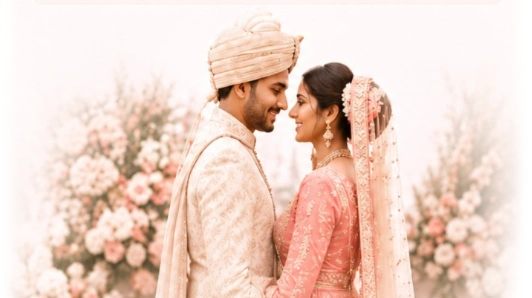
For wedding photography, this light can create a gentle glow on the couple’s faces, add depth to the background, and produce a romantic atmosphere without relying heavily on artificial lighting.
Benefits of golden-hour photographs
Softer facial shadows: Direct afternoon sunlight can create dark shadows under the eyes and nose. Golden-hour light is often easier to work with, particularly for outdoor portraits.
Warm and romantic colours: The natural golden tones can complement bridal outfits, floral decorations, and outdoor settings.
More comfortable portraits: Mumbai can be hot and humid, especially during warmer months. A session closer to sunset may be more comfortable than standing outdoors in strong afternoon sunlight.
Beautiful backgrounds: Gardens, courtyards, architectural details, and open terraces can look especially attractive when illuminated by low-angle sunlight.
For example, imagine a couple planning their wedding at an outdoor venue in Mumbai. Instead of scheduling all their portraits at 2 PM, they reserve 20–30 minutes before sunset. The photographer can use the softer light for romantic portraits while capturing the remaining family photographs earlier in the day.
One important point: golden hour is relatively short. Couples should confirm the sunset time for their wedding date and keep their portrait session flexible enough to accommodate ceremony delays.
Also, golden hour is not guaranteed to produce a bright golden sky. Clouds, rain, pollution, and the surrounding buildings can all affect the available light. An experienced photographer should have a backup plan.
3. Best Time for Wedding Photography by Season in Mumbai
Mumbai’s weather and daylight conditions change throughout the year. Choosing the right photography schedule means considering more than the clock.
Winter weddings: November to February
Winter is often a comfortable period for outdoor wedding photography in Mumbai. Temperatures are generally more pleasant than during the hottest months, making it easier for couples to spend time outside.
Morning ceremonies can work well for fresh, natural-looking photographs. For romantic portraits, the late afternoon is often a good choice.
If your wedding includes a garden ceremony, terrace portraits, or an outdoor reception, ask your photographer to check the sunset time for your specific date.
Summer weddings: March to May
Mumbai’s summer can bring strong sunlight, high humidity, and uncomfortable outdoor conditions.
For outdoor portraits, consider an early-morning session or a period shortly before sunset. Midday portraits can still work, particularly in shaded areas or architectural locations, but the photographer may need to adjust positioning and exposure.
Keep water, touch-up products, and a comfortable waiting area available. This is particularly important for couples wearing heavy bridal outfits.
Monsoon weddings: June to September
Mumbai’s monsoon season requires more flexibility. Cloud cover can soften sunlight, but heavy rain, wet surfaces, and sudden weather changes may disrupt outdoor plans.
A covered terrace, indoor portrait area, or venue with large windows can be a useful backup. Experienced photographers can also create beautiful images in cloudy conditions because the light may be more evenly spread across the scene.
Before the wedding, discuss how the team will protect cameras and lighting equipment and where portraits can be taken if rain becomes heavy.
Practical tip: Do not plan your entire photography schedule around a weather forecast. Keep an alternative location ready so that a change in conditions does not interrupt important moments.
4. Best Time for Different Wedding Photography Moments
Not every wedding photograph needs the same lighting. A good photography timeline gives priority to important rituals while leaving room for portraits and spontaneous moments.
Bridal and groom portraits
The bride and groom often need individual portraits before the ceremony begins. Morning light can work beautifully for outdoor photographs, while window light or controlled lighting can be effective indoors.
If you prefer soft, romantic couple portraits, reserve a short session close to sunset. You do not need an hour away from your guests; even 15–30 minutes can be enough for a varied set of images when the location is prepared in advance.
Wedding rituals and ceremony
For traditional Indian weddings, the ceremony schedule should come first. Important moments such as the bride’s entrance, varmala, pheras, and family blessings cannot always be repeated.
If the ceremony is scheduled during the day, your photographer should prepare for the actual lighting conditions instead of asking you to change important rituals simply to suit the light.
For indoor ceremonies, discuss the venue’s lighting, ceiling height, stage setup, and restrictions on flash photography before the wedding.
Family photographs
Family portraits are easier to organise when the key relatives are available at the same time. A short list of essential group combinations can save time and reduce confusion.
For outdoor family photographs, open shade often provides more even light than direct sunlight. Indoors, the photographer may use existing venue lighting or additional equipment to ensure everyone’s faces are clearly visible.
Reception and dance photography
Evening receptions are ideal for capturing speeches, candid interactions, dance performances, and the atmosphere of the celebration.
These photographs usually rely on a combination of ambient light, venue lighting, and sometimes flash. Share your reception schedule with the photographer so they can prepare for the first dance, cake cutting, speeches, and other important events.
Internal linking opportunity: Add a relevant internal link to a guide about an Indian wedding photography checklist near this section.
5. How to Plan Wedding Photography Around Mumbai Venues
Mumbai offers many types of wedding locations, and each one presents different lighting challenges. The best time for photography depends on the venue as much as the weather.
Beachside and coastal venues
Coastal venues can offer beautiful open backgrounds, but the sun’s position, wind, humidity, and crowds may affect the session.
Plan portraits around softer light and ask your photographer to check the venue’s orientation. A location facing the sunset may provide a very different background from one facing inland.
Remember that a beachside venue does not automatically guarantee a visible sunset. Buildings, weather, and the direction of the shoreline can change what appears in the frame.
Banquet halls and hotel venues
Indoor venues provide more control over the schedule because photography does not depend entirely on daylight.
However, dim lighting, coloured stage lights, reflective decorations, and mixed light sources can affect the final appearance of photographs. Share venue photographs with your photographer beforehand so they can prepare suitable equipment.
If your venue has large windows or an outdoor courtyard, you may be able to arrange a brief natural-light portrait session before the main ceremony.
Gardens and open-air venues
Gardens can look especially attractive during the early morning or late afternoon. During midday, trees and covered areas can provide shade, although patches of sunlight may create uneven exposure.
Ask your photographer to identify two or three portrait locations during a venue visit. This reduces unnecessary movement on the wedding day and helps keep the schedule on track.
Allow time for Mumbai traffic
Travel time matters when your wedding involves multiple locations. Moving from a hotel to a ceremony venue or from the ceremony to an outdoor portrait location can take longer than expected, depending on the route and traffic.
Whenever possible, complete couple portraits at the main venue rather than travelling elsewhere between events. If a second location is essential, include a realistic travel buffer in the photography schedule.
Internal linking opportunity: Link wedding photographer in Mumbai to the relevant Wedzy service or location page, if available.
6. Common Wedding Photography Timing Mistakes to Avoid
Even a skilled photographer can face challenges when the schedule leaves no room for preparation. A few simple decisions can make the experience smoother.
Scheduling every portrait at midday
Strong sunlight is not always ideal for outdoor portraits. If midday is unavoidable, ask about shaded locations, diffused light, and suitable camera positioning.
Leaving no time between ceremonies
Wedding rituals often run longer than expected. If every event is scheduled back-to-back, the photographer may struggle to capture portraits without missing important moments.
Keep a little flexibility in the schedule, especially before the ceremony and during the transition to the reception.
Forgetting about travel and outfit changes
Changing outfits, fixing makeup, moving between rooms, and gathering family members all take time. Include these practical details when preparing the timeline.
Assuming sunset time stays the same
Sunset varies throughout the year. Check the time for your wedding date rather than relying on a general estimate.
Ignoring indoor lighting
A wedding can take place entirely indoors and still produce beautiful photographs. What matters is how the photographer handles the available light and prepares for different scenes.
Before booking, ask to see complete wedding galleries taken in settings similar to yours, not just a selection of the photographer’s best outdoor portraits.
Frequently Asked Questions
1. What is the best time of day for wedding photography?
The best time for outdoor wedding portraits is often shortly after sunrise or before sunset, when natural light is softer. For ceremonies and receptions, the ideal timing depends on the event schedule and venue lighting.
2. Is golden hour the best time for wedding photos in Mumbai?
Golden hour is an excellent choice for romantic outdoor portraits in Mumbai because the light is often warm and flattering. However, indoor ceremonies, cloudy weather, and evening receptions may require different lighting techniques.
3. How long should a wedding couple’s photo session take?
A focused couple portrait session can take around 15–30 minutes, depending on the number of locations, outfit changes, and preferred shots. Allow additional time if you want several locations or a more elaborate portrait session.
4. Can we get good wedding photographs at night?
Yes. Night-time wedding photography can look beautiful with the right equipment and lighting techniques. Professional photographers can use ambient venue lighting, flash, and creative compositions to capture receptions, dance performances, and candid moments.
5. What should we discuss with our wedding photographer before the wedding?
Discuss your ceremony timings, venue, sunset time, must-have photographs, family group shots, indoor lighting, travel arrangements, and backup plans for rain. A shared timeline helps everyone understand when and where important photographs will be taken.
Plan Your Wedding With Verified Professionals
Verified
Professionals
Trusted
Company
Easy EMI &
Secure Booking
Let's get started with a few details ✨
We never share your details.
Conclusion
The best time for wedding photography depends on your venue, wedding rituals, season, and the photographs you want to remember for years to come. For outdoor portraits, early morning and golden hour are often excellent choices. For ceremonies and receptions, careful planning and appropriate lighting matter more than following a fixed time.
If you are planning Mumbai wedding photos, start by sharing your wedding date, venue, and event schedule with your photographer. Together, you can create a realistic timeline that leaves room for beautiful portraits without rushing the moments that matter most.